Buy or Rent: Making the Best Choice for Your Future Home
Are you torn between buying and renting? Discover key insights to help you make a confident choice and navigate the path to your ideal home.
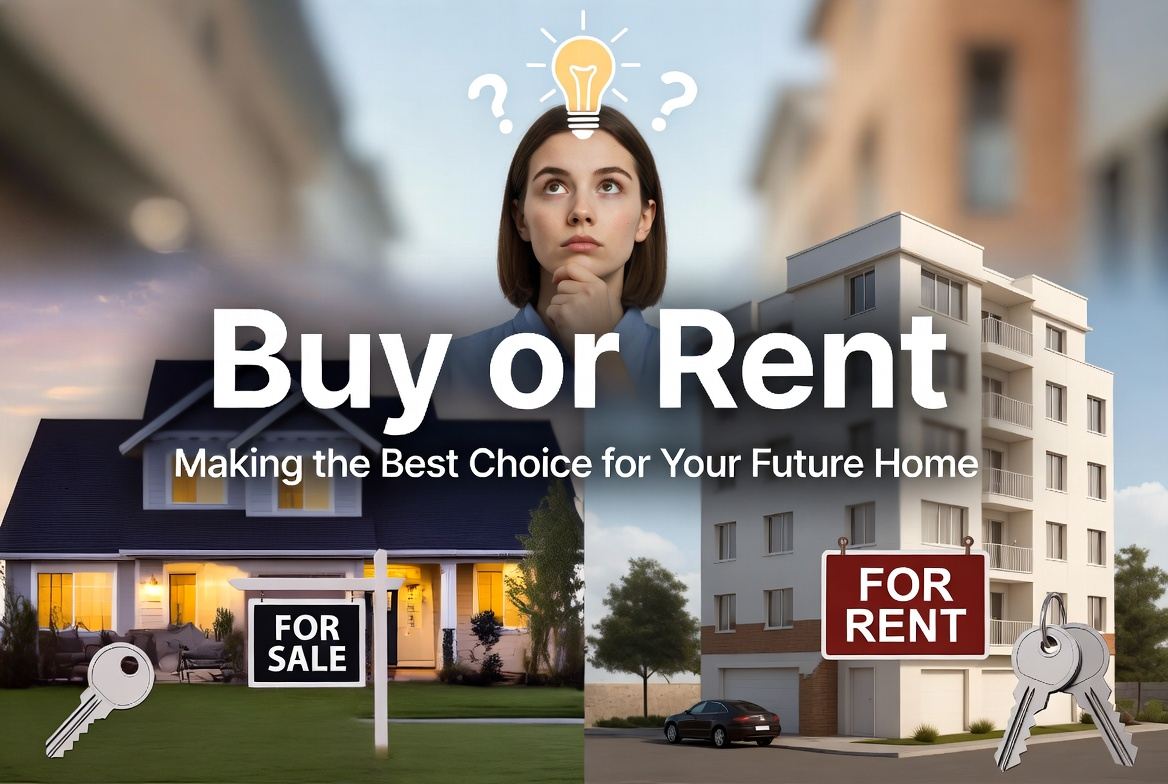
When it comes to deciding whether to buy or rent a home, many people face an important decision that can significantly impact their future. Both renting and buying have their own sets of advantages and disadvantages, and understanding these can help you make the best choice for your unique situation. As a mortgage loan officer with a passion for helping others, I'm here to guide you through the thought process of weighing these options so you can make an informed decision that aligns with your goals.
First, let's talk about the benefits of buying a home. One of the most compelling reasons to consider homeownership is the potential for building equity. When you buy a home and make mortgage payments, you're not just paying for a place to live; you're investing in an asset that can appreciate over time. This means that as the value of your home increases, so does your equity, giving you financial stability and potential profit down the road.
Another significant advantage of owning a home is the freedom it provides. As a homeowner, you have the liberty to personalize your space. Want to paint the walls a different color? Go for it! Thinking about remodeling the kitchen or landscaping your yard? That's entirely up to you. This level of control and customization is often not available in rental properties, where landlords may have strict rules about modifications.
Now, let's consider one of the major responsibilities that come with homeownership: maintenance. When you own a home, you are responsible for repairs and upkeep. This can be a double-edged sword. On one hand, it can be satisfying to take care of your property and make improvements. On the other hand, unexpected repairs can be costly and stressful. If you prefer a more hands-off lifestyle or don’t want the worry of maintenance, renting might be more appealing.
Renting, on the other hand, has its own set of advantages. One of the most significant benefits is flexibility. Renting allows you to move more easily if your situation changes, whether that means a job relocation or simply a desire to try living in a different neighborhood. A lease typically lasts for a year, which means that if your life circumstances shift, you won't be tied down to a property for an extended period. This can be particularly appealing to younger individuals or those who anticipate changes in their job or family life.
Additionally, renting often comes with fewer upfront costs compared to buying. When you purchase a home, you typically need a down payment, closing costs, and other expenses. Renters usually only need to pay the first month's rent and a security deposit, making it a more accessible option for many people. If you’re in a position where you’re not quite ready for the financial commitment of buying, renting allows you to save money and establish a more solid financial foundation.
One crucial factor to consider is your current financial situation. Assessing your budget is vital in determining whether buying or renting is the right choice for you. If you currently have a stable income, a good credit score, and enough savings for a down payment and other costs associated with buying a home, then homeownership may be within reach. However, if you’re still working on your financial stability or if you have other debts, renting might be the smarter choice to minimize risk and maintain flexibility.
Another important aspect to look at is the local housing market. In some areas, buying a home may be a better investment due to rising home values, while in others, renting may be more cost-effective. Researching your local market can help you understand trends in home prices, rental rates, and overall demand. This information will empower you to make a decision that reflects the realities of your community.
Lifestyle is another key factor to consider. Think about your long-term goals and how they align with each option. If you envision settling down in one area, raising a family, or having a place to call your own, buying a home may be the best fit. Conversely, if you enjoy the freedom to travel, explore new locations, or simply prefer a more mobile lifestyle, renting could be the better choice.
It’s also important to discuss the emotional aspects of homeownership. For many people, owning a home is a lifelong dream and can provide a sense of pride and accomplishment. The stability and security that come with owning your own space can be very fulfilling. Renting, while often more flexible, may not provide the same emotional satisfaction for those who desire a permanent place to create lasting memories.
For those of you who are on the fence about which option to choose, I encourage you to reflect on your personal priorities. What are your short-term and long-term goals? Assess your current lifestyle and consider where you see yourself in the future. Sometimes, it can be helpful to jot down your thoughts or even talk them over with trusted friends or family members.
Ultimately, the decision to buy or rent depends on your unique circumstances, preferences, and future aspirations. It’s essential to take the time to weigh your options carefully and to seek guidance tailored to your specific needs. As a mortgage loan officer, I can help you navigate this process and provide insights that are relevant to your situation.
If you’re feeling uncertain about which path is right for you, I invite you to reach out. Together, we can discuss your goals, financial standing, and the options available to you. Making an informed decision is crucial, and I'm here to support you every step of the way. Don't hesitate to connect today!